Getting Dental Implants in Korea as a Tourist
South Korea—especially Seoul—has become a leading destination for dental implant treatment among international patients. Tourists choose Korea not only for lower costs, but also for advanced technology, high clinical volume, and efficient treatment timelines.
Here’s a clear, realistic guide to what tourists should know before getting dental implants in South Korea.
Can Tourists Get Dental Implants in Korea?
Yes.
Tourists do not need residency or special medical visas for dental implant treatment in Korea.
Most international patients visit Korea on:
- Short-term tourist visas
- Visa-free entry (depending on nationality)
Dental clinics in Seoul regularly treat:
- Short-term visitors
- Medical tourists
- Travelers combining treatment with sightseeing
Why Tourists Choose Korea for Dental Implants
Key reasons include:
- Advanced digital implant technology
- High success rates due to large clinical volume
- Short waiting times
- Competitive pricing
- Experience treating foreign patients
- Clear treatment planning
Implants that may cost 2–3× more in Western countries are often significantly more affordable in Korea—without sacrificing quality.
Typical Implant Treatment Timeline for Tourists
Step 1: Consultation & Imaging (Day 1)
- Oral exam
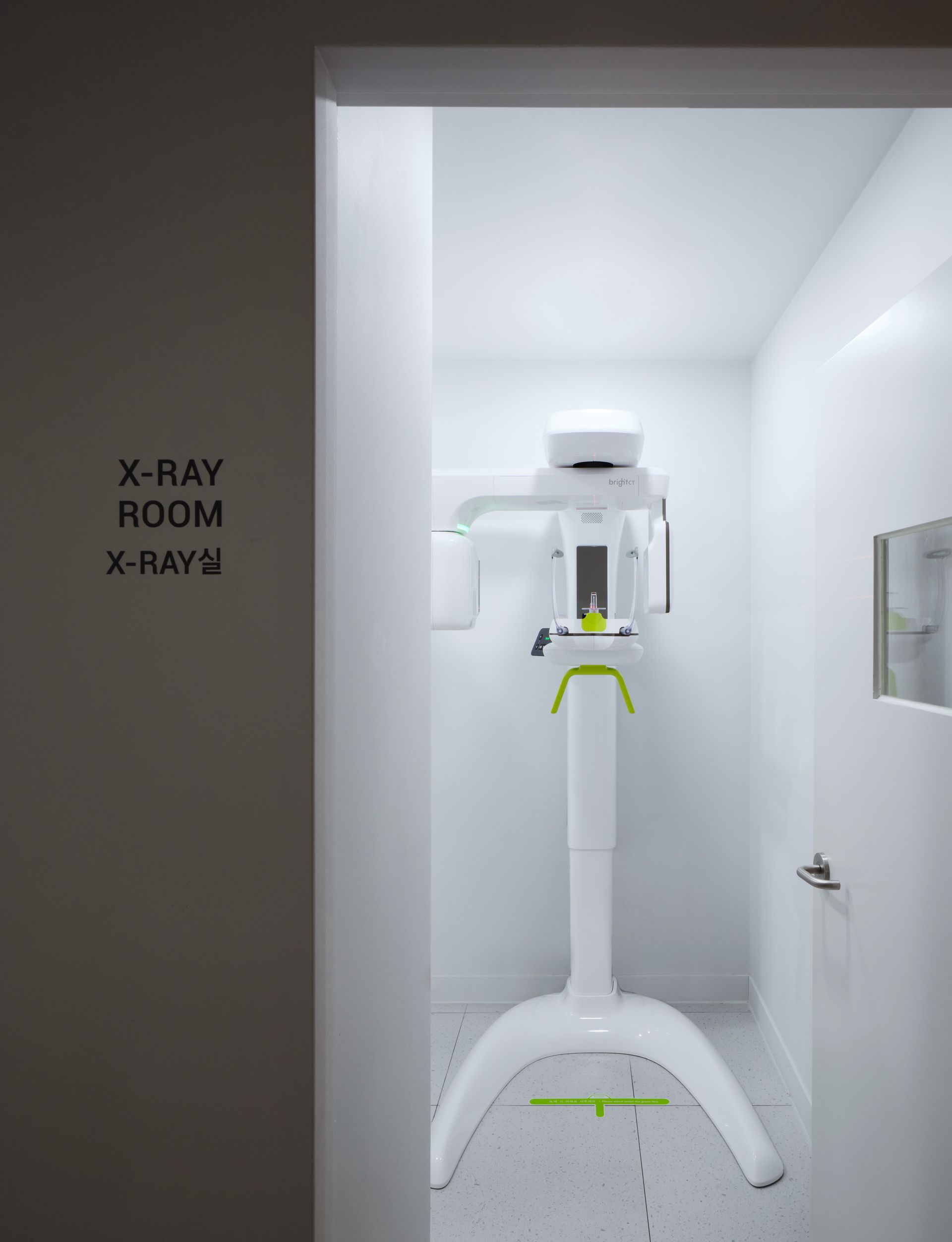
- X-rays / CBCT scan
- Implant planning
- Cost explanation
Many clinics complete this on the same day.
Step 2: Implant Surgery (Day 1–3)
- Implant placement under local anesthesia
- Optional sedation available
- Procedure usually takes 30–60 minutes per implant
Most tourists can walk out the same day.
Step 3: Healing Phase (Optional Return Trip)
- Implant integrates with bone over 2–4 months
- Crown is placed after healing
Some tourists:
- Return home after surgery
- Come back later for final crowns
Others choose temporary crowns if appropriate.
How Long Should Tourists Stay in Korea?
Recommended stay depends on treatment type:
- Single, simple implant: 2–4 days
- Multiple implants: 4–7 days
- Implants with bone graft: 5–10 days
Korean clinics often design treatment schedules around your travel dates.
Implant Costs for Tourists in Korea (General)
Tourists usually pay self-pay prices (no Korean national insurance).
Typical ranges (may vary by clinic and case):
- Single implant (implant + abutment + crown): mid-range pricing compared to global standards
- Bone grafts or sinus lifts: additional cost
- Premium imported implant systems: optional upgrade
Despite self-pay status, Korea remains cost-competitive internationally.
Are English-Speaking Clinics Available?
Yes. Many Seoul clinics offer:
- English-speaking coordinators
- English treatment plans
- Digital explanations and imaging
- Post-treatment guidance for travelers
Some clinics also provide:
- Messaging follow-ups
- Remote check-ins after you return home
Pain, Safety & Recovery for Travelers
During Surgery
- Local anesthesia is standard
- Sedation available if needed
- Pain during surgery is minimal
After Surgery
- Mild swelling and soreness for a few days
- Most tourists resume light activities quickly
- Pain is usually manageable with medication
Implant surgery is far less disruptive than many expect.
Flying After Implant Surgery
Tourists can usually fly:
- 2–3 days after simple implant surgery
- 5–7 days after implants with bone grafts or sinus lifts
Dental implants are solid and not affected by cabin pressure.
What Tourists Should Prepare in Advance
Before traveling:
- Recent dental X-rays (if available)
- List of medications or medical conditions
- Travel schedule and return date
- Budget range and implant preferences
Sharing these in advance helps clinics plan efficiently.
What’s Usually NOT Included
Tourists should confirm if quotes include:
- Bone grafts
- Sinus lift procedures
- Sedation fees
- Temporary crowns
Korean clinics are generally transparent, but asking upfront avoids surprises.
Common Concerns from Tourists
“Is it rushed?”
No. High efficiency comes from experience—not shortcuts.
“What if I need follow-up abroad?”
Implants are standardized; most dentists worldwide can manage routine follow-ups.
“Is quality lower because it’s cheaper?”
Lower costs are due to efficiency and volume, not lower standards.
Final Thoughts
Getting dental implants in Korea as a tourist is safe, common, and well-structured. Seoul clinics are accustomed to international patients and design implant treatment plans that fit short stays and return travel.
For tourists seeking modern implant technology, reliable outcomes, and efficient timelines, Korea continues to be one of the most practical destinations worldwide.