Bone Grafting for Dental Implants in Korea
Bone grafting is a common and well-established step in implant dentistry in Seoul, South Korea. If you’ve been told you “don’t have enough bone,” it doesn’t mean implants aren’t possible—it means bone volume needs to be rebuilt first or alongside implant placement.
Below is a clear, patient-friendly guide to how bone grafting works in Korea, when it’s needed, and what to expect.
What Is Bone Grafting?
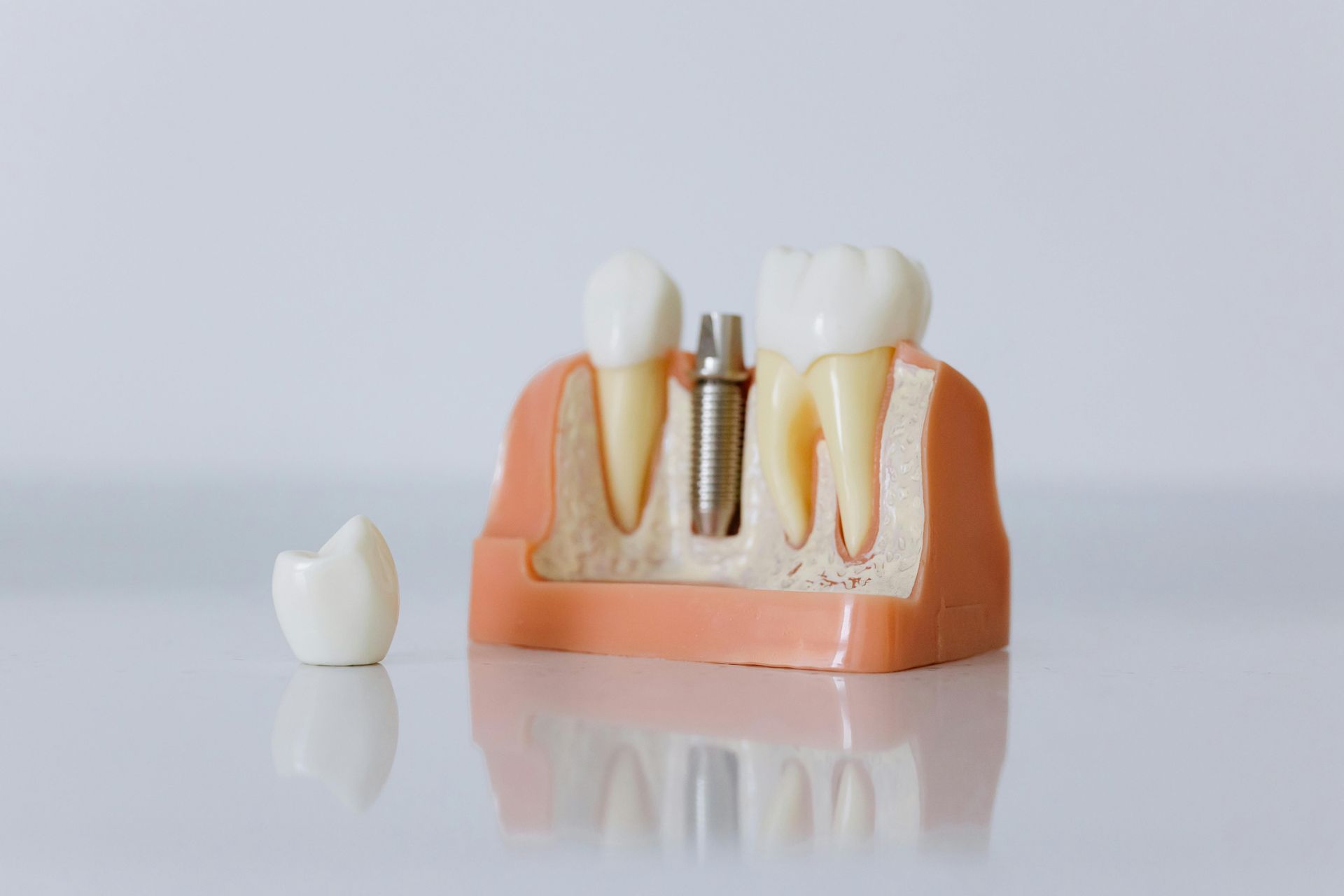
Bone grafting rebuilds or augments jawbone so it can securely support a dental implant. It helps restore:
- Bone height
- Bone width
- Bone density
Korean clinics commonly use minimally invasive, digitally planned grafting techniques to maximize safety and comfort.
When Is Bone Grafting Needed?
Bone grafting may be recommended if you have:
- Long-term missing teeth (bone shrinks over time)
- Advanced gum disease
- Bone loss after tooth extraction
- Thin upper jaw near the sinuses
- Failed or removed implants
Not every implant case requires grafting—many don’t.
Types of Bone Grafting Used in Korea
1. Socket Preservation (After Tooth Extraction)
- Graft placed immediately after extraction
- Prevents bone collapse
- Makes future implant placement easier
Common in Korea to preserve natural anatomy early.
2. Guided Bone Regeneration (GBR)
- Bone graft material + protective membrane
- Encourages natural bone growth
- Used for localized bone defects
Often combined with implant placement when stability allows.
3. Sinus Lift (Upper Back Teeth)
- Increases bone height below the sinus
- Allows implants in upper molar areas
Korean clinics routinely perform internal (less invasive) or lateral sinus lifts depending on anatomy.
4. Block Bone Graft (Advanced Cases)
- Solid bone graft for severe bone loss
- Used selectively for complex cases
Less common, but available at specialized clinics.
Bone Graft Materials Commonly Used
Korean clinics select graft materials based on defect size, healing speed, and safety:
- Synthetic bone (alloplast): Very common, consistent quality
- Bovine bone (xenograft): Long-lasting volume support
- Autogenous bone: Patient’s own bone (used selectively)
- Composite grafts: Combination materials for optimal results
All materials used meet strict Korean medical standards.
Does Bone Grafting Hurt?
During the procedure:
- Local anesthesia is standard
- Optional sedation is available
- Pain during surgery is minimal
After the procedure:
- Mild to moderate soreness
- Swelling peaks around day 2–3
- Most patients manage with standard medication
Patients often report less discomfort than expected.
Healing Time After Bone Grafting
Healing depends on graft type and size:
- Minor grafts / socket preservation: 2–3 months
- GBR with implant: Healing occurs alongside implant integration
- Sinus lift / larger grafts: 4–6 months
Korean dentists carefully time implant placement to maximize long-term success, not speed.
Can Implants Be Placed at the Same Time?
Yes—in many cases.
Implants may be placed simultaneously if:
- Primary stability is achievable
- Bone loss is mild to moderate
Staged grafting (graft first, implant later) is chosen when stability would be compromised.
Cost of Bone Grafting in Korea (General)
Bone grafting cost varies by:
- Graft type and amount
- Whether a sinus lift is needed
- Whether implants are placed simultaneously
In general, grafting adds a moderate additional cost compared to implant surgery alone, but remains more affordable in Korea than many Western countries.
Always confirm whether grafting is included in your implant quote.
Why Korea Is Known for Safe Bone Grafting
Korean implant dentistry emphasizes:
- Conservative bone preservation
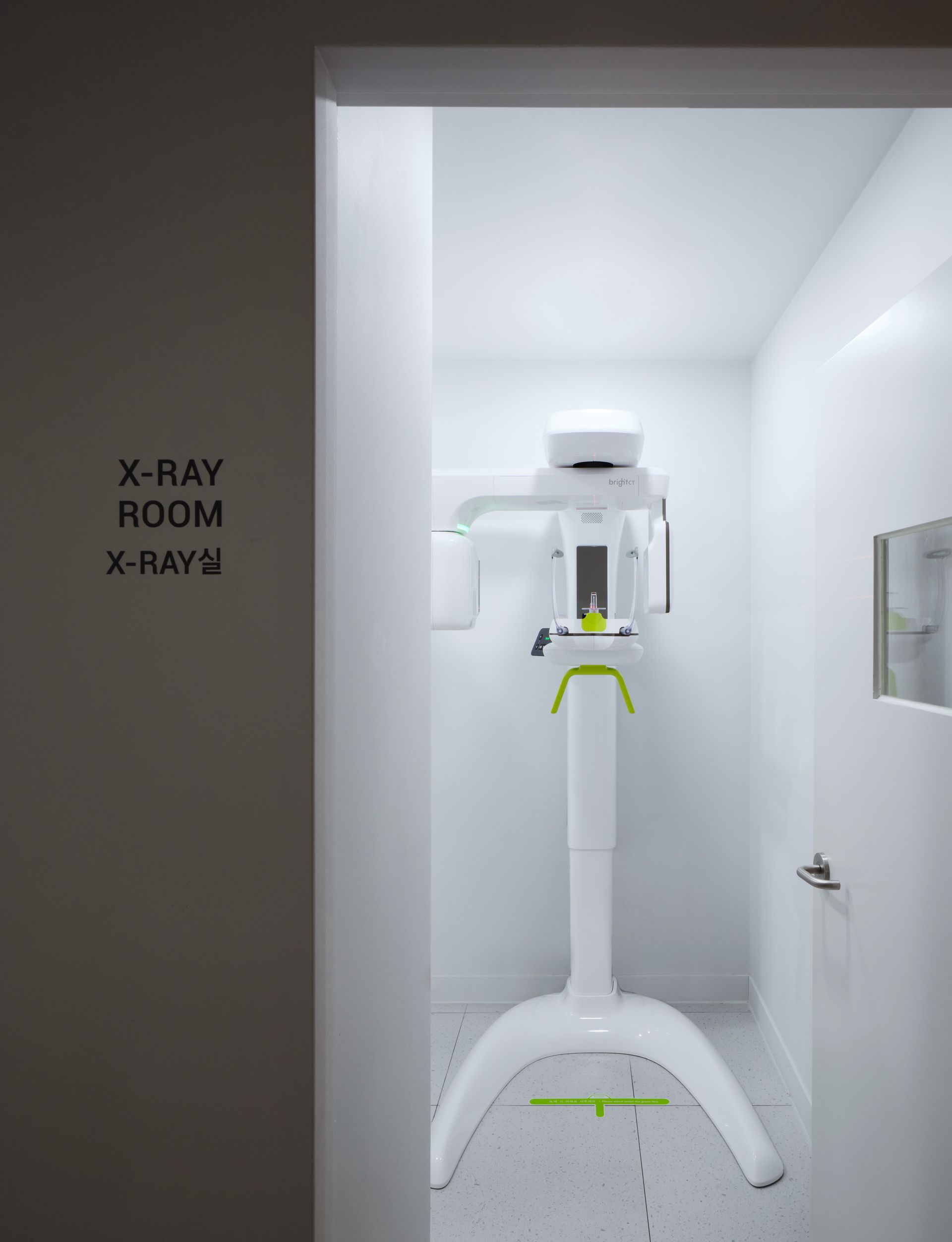
- Digital CBCT planning
- Minimally invasive techniques
- High case volume and experience
These factors reduce complications and improve predictability.
Flying After Bone Grafting
Recommended wait times:
- Simple grafts: 3–5 days
- Sinus lift or larger grafts: 5–7 days
Bone grafts are not affected by cabin pressure, but waiting helps manage swelling comfortably.
Signs of Normal vs Abnormal Healing
Normal
- Mild swelling
- Tightness or pressure
- Gradual improvement over days
Contact the clinic if:
- Severe pain worsening after day 3
- Persistent bleeding
- Fever or pus
- Sudden swelling increase
Complications are uncommon when instructions are followed.
Final Thoughts
Bone grafting for dental implants in Korea is routine, safe, and highly refined. With advanced planning and conservative techniques, Korean clinics make implant treatment possible even for patients with significant bone loss.
If you’ve been told implants aren’t an option elsewhere, a proper evaluation in Seoul may reveal more possibilities than expected.