Do Korean Clinics Accept Foreign Insurance for Implants?
Short Answer:
Most Korean dental clinics do not accept foreign insurance directly for dental implants.
However, you can often use your foreign insurance to get reimbursement after treatment, and a few clinics can help provide the necessary documentation.
Here’s how it works in practice for implant patients visiting Seoul, Korea.
Why Direct Use of Foreign Insurance Is Rare in Korean Clinics
1. Korean Clinics Typically Don’t Bill Foreign Insurers
Korean dental clinics normally don’t bill foreign insurance companies directly because:
- Systems and billing codes differ by country
- Insurers often require documentation that Korean clinics aren’t set up to issue
- Clinics need payment upfront
For implants, which are major self-pay procedures in Korea, this is especially common.
In most cases:
- You pay the clinic first
- Then claim reimbursement from your insurance later
When Direct Billing Might Be Possible
Some larger international clinics in Seoul (especially those with “international patient” services) may offer:
- Assistance with paperwork
- Cost estimates formatted for foreign insurers
- Letters of treatment necessity
But even in those cases:
- Direct billing to your foreign insurer is rare
- Clinics may still require deposit or full upfront payment
- You’ll likely handle reimbursement yourself
Always confirm with the clinic before booking.
How to Use Foreign Insurance for Implant Costs
Step 1 — Ask Your Insurance Company First
Contact your insurer and ask:
- Do they reimburse dental implants abroad?
- What documents do they require?
- Do they need pre-authorization?
- Are there limits or waiting periods?
Most insurers require:
- Detailed treatment notes
- Invoices with CPT or equivalent dental codes
- Proof of payment
- Pre- and post-treatment images/scans
Step 2 — Request Detailed Documents From the Clinic
Some clinics will provide:
- Treatment plan with codes
- Written cost estimates
- Surgeon’s notes
- Itemized receipts
This is essential for reimbursement.
Step 3 — Submit to Your Insurer
Send your insurer everything they require:
- Clinic invoice
- Breakdown of implant fees
- Diagnostic imaging
- Procedure report
- Payment proof
Keep both printed and digital copies.
What Papers Foreign Insurers Usually Want
Typical requirements include:
- Official invoice/receipt (with clinic details)
- Itemized treatment codes and fees
- Procedure description
- Dr’s signature and clinic stamp
- Dates of service
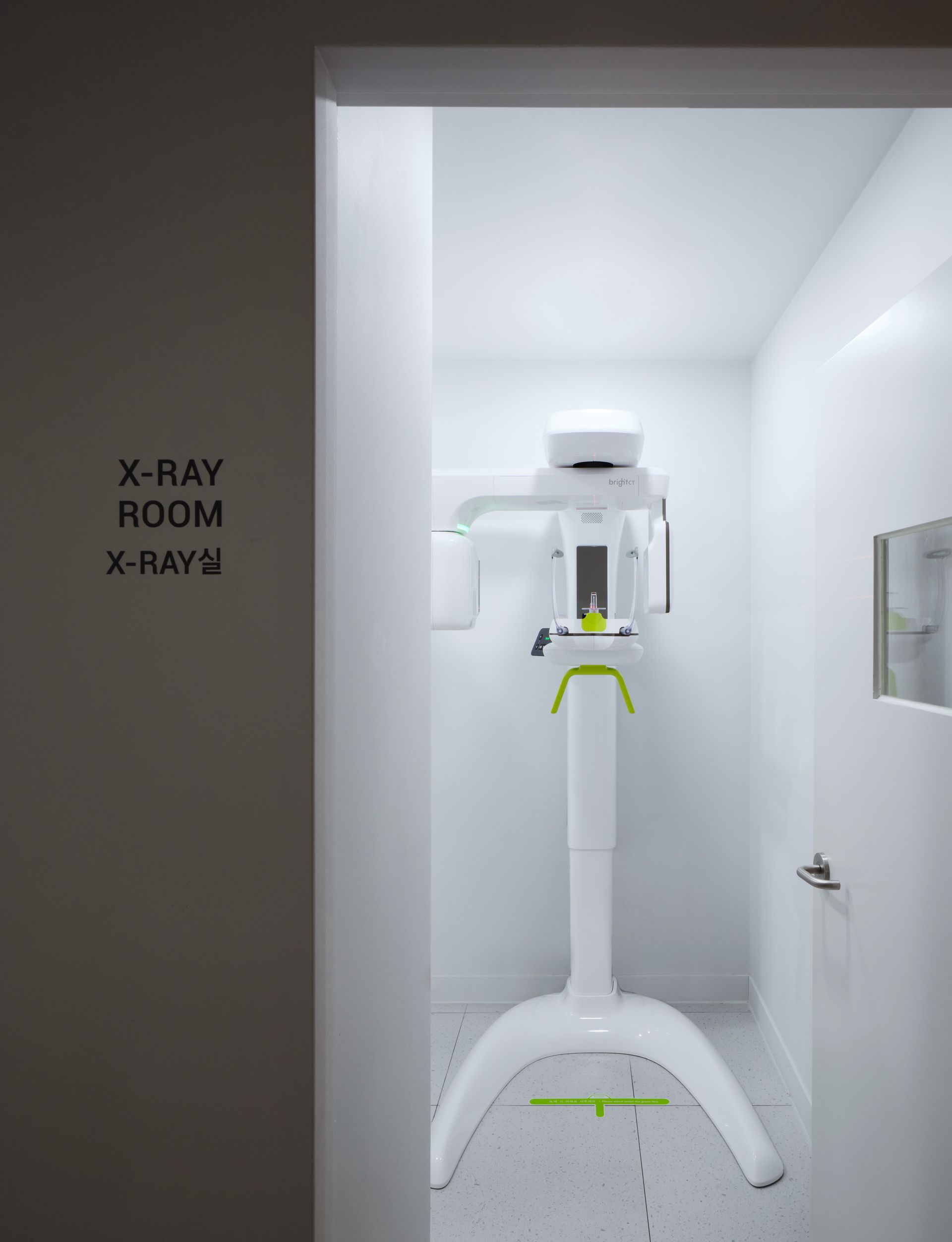
- X-rays or CBCT scans
- Payment confirmation (credit card slip, bank transfer)
Without these, reimbursement may be denied or delayed.
Common Misconceptions
“My insurance will cover implants automatically overseas.”
Not always. Many plans exclude cosmetic procedures like implants or require special pre-approval.
“Korean clinics can bill my insurer at the time.”
Rare. Most clinics expect payment first and then provide documentation.
“Tourists can claim at the airport.”
Not common for dental care—reimbursement claims are usually processed back home.
What About Travel Insurance?
Some travel plans offer dental coverage for emergencies, but most travel insurance policies:
- Cover accidents or sudden pain only
- Do not cover elective implant surgery
Check your policy wording before scheduling treatment.
Tips for Smoother Insurance Claims
✅ Ask your insurer for a reimbursement checklist
Different companies require different documents.
✅ Choose clinics familiar with international patients
Clinics experienced with foreign visitors often provide better documentation.
✅ Get everything itemized
Generic receipts are usually not enough.
✅ Keep treatment photos and reports
Useful for complex claims.
Final Thoughts
Most Korean clinics do not accept foreign insurance directly for dental implants — you generally pay upfront and then seek reimbursement from your insurer.
However:
- Many clinics help provide the required paperwork
- Most major insurers will reimburse at least part of the cost if your policy allows it
- Planning ahead and confirming requirements with your insurance company makes the process smoother.